Classic slots
The service lists Classic Slots as a category. Slot titles may have different rules and game information, so check the individual title’s panel rather than assuming that one RTP figure or one set of features applies to every slot.

SpinCity’s South African service displays a mix of casino categories, including classic slots, roulette, live casino, crash games, lotto, virtual games, Plinko and jackpot games. The menu is a guide to the types of play shown on the service, not a promise that every title or category will be available to every visitor or account.
The practical differences matter: casino games use individual game rules and show RTP information in a game panel, while crash games involve requesting a cash-out before the multiplier ends. Check a game’s own information and the current account conditions before placing a bet.
The category menu gives a broad map rather than a fixed catalogue. It groups different formats under familiar labels, from slots and roulette to live casino, crash games and lottery-style play. A category name tells you what type of experience to look for; it does not establish which specific title is currently accessible, what its precise rules are, or whether it appears for your account.
Use the game’s own information panel as the next step. That is where the operator says game-specific RTP information is displayed. Rules, stakes and features belong to the individual game, so a general category description should not be treated as a substitute for its instructions.
The category menu is most useful as a starting point for narrowing your search. If you want a conventional casino format, the displayed labels include classic slots and roulette; if you want a different style, the menu also presents live casino, crash games, lotto, virtual, Plinko and jackpot categories. These labels describe how the lobby is organised. They do not tell you which individual title is best for you, nor do they establish that a title is currently open to your account.
A category is not a complete description of play. For example, the label Roulette does not identify a particular variant or table, and Live Casino does not establish a specific table, schedule or minimum stake. The same caution applies to lotto and virtual categories: the label alone does not set out a draw format, event schedule or market. Open the individual game and review its own details instead of inferring them from the menu.
Classic Slots is a broad category rather than one shared set of rules. Different titles may present different features and game information, so check the selected slot’s panel before making a decision. The operator says the game-specific RTP is shown there. That makes the panel a better comparison point than assuming all slots share one figure or that a value shown for one title carries across the category.
Crash Games deserve their own look because their central action differs from simply choosing a casino title and placing a bet. The rules describe a player-requested cash-out that must reach the server before the multiplier crashes. If you are browsing this category, make sure you understand the timing condition and the way the game records a round before starting. Do not rely on a general category label to explain the outcome of a particular round.
Plinko and Jackpot are also displayed as categories, but their presence does not specify a prize amount, jackpot structure or probability of winning. Likewise, seeing Lotto or Virtual in the menu does not establish the details of any particular selection. These are useful distinctions when browsing: a category tells you where a format is grouped, while the chosen title’s rules provide the relevant mechanics and current displayed conditions.
Availability is a separate question from categorisation. A menu can present a game type without guaranteeing that every title in it is accessible to every visitor or account. The current lobby is the place to check what is actually presented to you; the selected game’s information is where to check its rules and RTP. Keep those two checks together, and avoid treating a menu label as confirmation of either access or specific terms.
The service lists Classic Slots as a category. Slot titles may have different rules and game information, so check the individual title’s panel rather than assuming that one RTP figure or one set of features applies to every slot.
Roulette appears as a listed category. The menu does not specify which roulette variants or tables are available at a given time; consult the particular game’s rules and displayed stake limits before betting.
Live Casino is another displayed category. The category label alone does not confirm a particular table, schedule, dealer, minimum stake or live-game feature. Those details need to be checked in the game itself.
Crash Games are listed separately from conventional casino categories. Their defining practical point in the operator’s rules is the cash-out request: it must reach the server before the multiplier crashes.
The menu includes Lotto and Virtual. These labels establish that the categories are presented, but not the draw format, event schedule, market selection or current availability. Check the relevant game’s own rules for those particulars.
Plinko and Jackpot also appear in the category list. Their presence does not establish a specific prize amount, jackpot structure or chance of winning. Any game-specific terms and information should be reviewed before a bet is accepted.
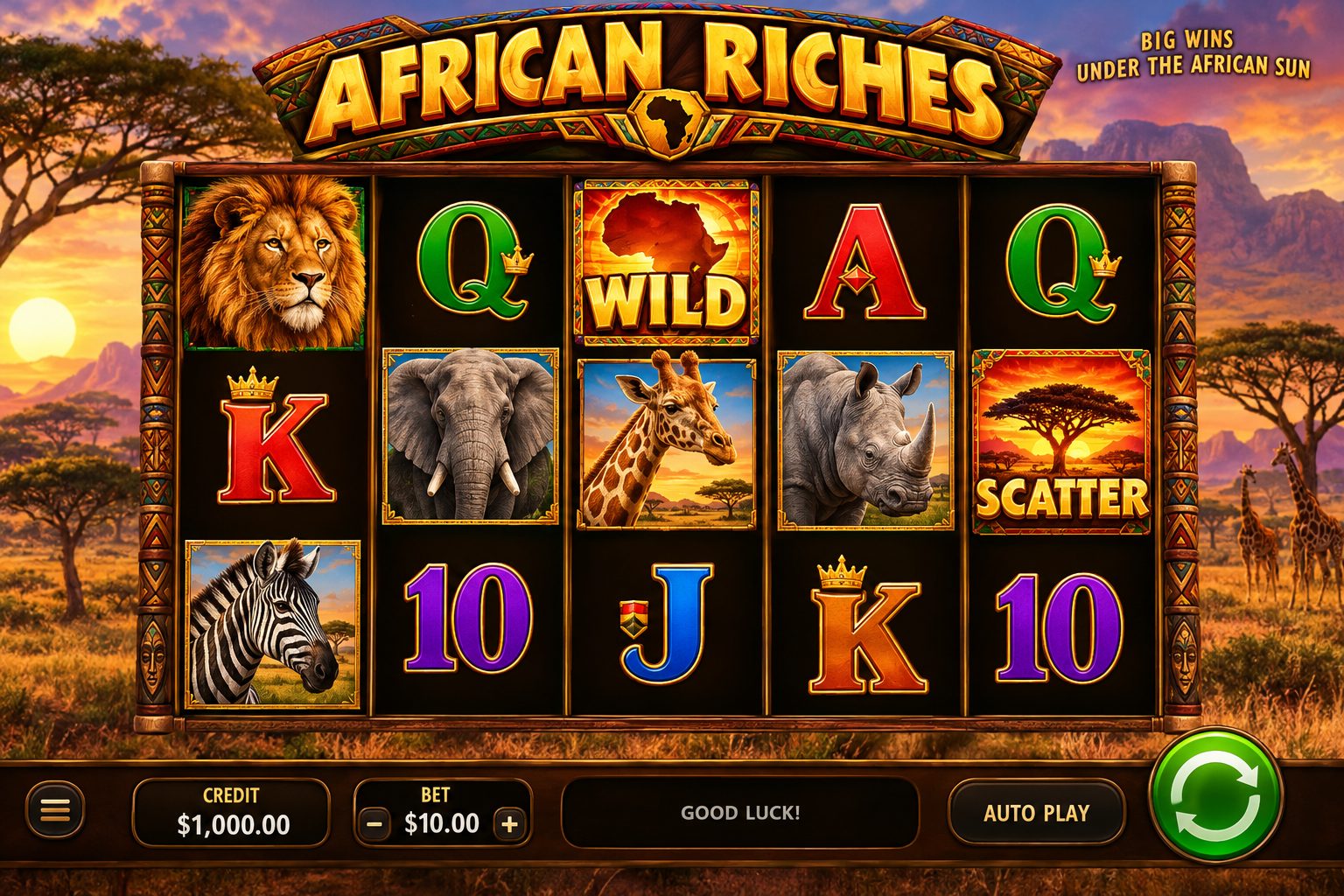
For casino games, the relevant title’s information panel is where its RTP is shown. RTP is a game-specific figure, not a universal rate for the entire category, and it does not tell you what an individual session will return. Read the displayed game information together with its rules; do not use a figure from one game as if it applied to another.
Crash play adds a time-sensitive action. A player requests a cash-out while the multiplier is rising, and the request must reach the server before the crash. If it arrives after the crash, the rules say the bet loses. This makes the timing and server receipt of the action material, rather than a detail to infer from a screen animation alone.
The rules also address a disconnection during a crash round: the round completes automatically, and its result is recorded in the player’s history. That provision does not mean a player can safely assume a particular outcome after losing connection. Check the recorded result and the applicable game rules if a round is interrupted.
The random-number statement in the rules is about how outcomes are determined; it is not a statement that every player will receive a particular result or that a session will follow a predictable pattern. The rules also say that past results do not determine future results. Read those points together: a history can document earlier outcomes, but it does not make the next outcome more or less likely under the operator’s stated rules.
This distinction matters when comparing casino titles. Each game has its own information panel, and the operator says that panel displays the game’s RTP. A figure belongs to the game it describes, not automatically to every game in the same lobby category. Before using RTP as one factor in comparing titles, confirm that you have opened the correct panel and read the relevant game information rather than relying on a number remembered from elsewhere.
RTP should not be interpreted as a promise about an individual bet, a particular session or a guaranteed amount returned. The rules establish that a displayed figure is game-specific; they do not make it a prediction of what will happen during a given visit. It is more accurate to treat the figure as game information and to keep it separate from the question of whether a particular result is due.
Crash games add an action whose timing has a direct consequence under the rules. The player requests a cash-out before the multiplier crashes, and the request must reach the server in time. If the request reaches the server after the crash, the rules say the bet loses. The requirement concerns receipt, so understanding the game’s instructions before a round matters more than relying on an assumption about how a screen animation relates to processing.
An interruption does not leave the round without a stated resolution. The rules say a disconnected crash round completes automatically and its result is recorded in the player’s history. That explains where to look afterward, but it does not let a player infer the result from the fact of disconnection. Review the recorded entry and the relevant game rules if the interruption makes the outcome unclear.
The game history and the game information panel answer different questions. The panel provides the game-specific information, including the displayed RTP; history is the record to consult for a bet or completed round. Neither turns previous outcomes into a forecast. When you need to understand a result, check the record for that round and the rules for that particular game rather than blending historical results with another title’s information.
A casino title has its own rules and game information. The operator says outcomes are generated randomly, past results do not determine future ones, and RTP information is available in the title’s information panel.
A crash game requires a player-initiated cash-out before the multiplier crashes. A request reaching the server afterward loses; a disconnected round completes automatically and is recorded in account history.
The game rules set practical eligibility conditions for the South African service: a player must be at least 18, resident in South Africa and have a fully verified account. These are conditions of the described service, not universal rules for every SpinCity-named site. If you do not meet them, do not attempt to use the service.
Stakes are placed in South African rand. Minimum and maximum amounts are game-specific: the limits appear in the game or market and may change. That means there is no single stake range that can safely be applied to every slot, table, crash game or other category. Check the displayed limits for the exact selection before confirming a bet.
A bet is treated as accepted only when it appears in bet history with a reference number. The operator’s rules say accepted bets generally cannot be cancelled, subject to exceptions in those rules. Before submitting, review the selection and stake carefully; after submission, check the history entry rather than assuming a click alone confirms acceptance.
Account verification is also relevant to using the service. The account rules describe identity checks under FICA and state that withdrawals are unavailable until verification is complete. The rules further require payment methods to be in the player’s own name and say withdrawals are returned to the deposit method where possible. These account conditions sit alongside, but are distinct from, the rules for a particular game.
Bonuses, if offered, have separate conditions such as wagering, expiry and game contribution. Bonus funds cannot be withdrawn until those conditions are met. A game category listing does not establish that a promotion is currently available or that all games contribute equally; check the terms attached to any specific offer before opting in.
Eligibility is an account-level condition, not a feature of a particular slot or table. For the South African service described by the rules, a player must be at least 18, resident in South Africa and fully verified. These requirements should be read as applying to that service, not to every business that uses the SpinCity name. Confirm that you meet them before attempting to use the account or place a bet.
A fully verified account is relevant beyond access to play. The account rules describe identity checks under FICA and state that withdrawals are unavailable until verification is complete. This makes it sensible to understand the verification requirement before depositing or planning to withdraw, rather than treating it as a check that can be postponed without consequence. The rules do not turn verification into a game-specific condition; it is part of account access and payment administration.
Payment ownership is another account condition. The rules require payment methods to be in the player’s own name and say withdrawals are returned to the deposit method where possible. This is separate from the mechanics of a game and from the stake displayed for a round. Read it as a requirement about the account’s payment route, not as a guarantee of a particular processing time or a promise that every payment method will be available.
When you reach a game or market, check the stake range shown there. Bets use South African rand, but the minimum and maximum amounts are specific to the game or market and may change. A limit seen for one selection is not evidence of the limit for another. Confirm the current displayed amount for the exact title and selection before placing a bet, especially when moving between categories.
The rules set a clear way to identify an accepted bet: it appears in bet history with a reference number. If you do not see that record, do not assume that the click alone confirms acceptance. Once a bet is accepted, cancellation is generally unavailable except where the rules provide an exception. Review the intended selection and stake first, then check the history entry as the confirmation step.
Keep any bonus terms separate from the base game rules. A bonus may have wagering, expiry and game-contribution conditions, and bonus funds cannot be withdrawn until the applicable conditions are met. The category list does not establish that a particular offer is currently available, how long it lasts or how each title contributes. Read the terms attached to the specific offer before opting in, and do not infer bonus treatment from the game menu.
The stated requirements are age 18 or older, South African residency and a fully verified account. These apply to the South African service covered by the rules.
Bets use rand, and limits vary by game or market and may change. Use the amount currently shown for the game you intend to play.
Look for the bet in account history with a reference number. The rules say accepted bets generally cannot be cancelled, except where a stated rule provides otherwise.
The account rules say withdrawals are unavailable before verification is complete. They also require payment methods to be in the player’s own name.
A few checks can prevent common misunderstandings: earlier results do not forecast the next outcome, a displayed RTP belongs to a particular game, and a bet is not confirmed merely because you clicked a button. For crash games, the cash-out request must reach the server before the crash. Keep the game’s own panel and your bet history in view when checking these details.
Before choosing a title, separate what the lobby tells you from what the game rules tell you. A category label helps you find a format, but it cannot confirm a particular title’s current availability or explain its mechanics. Once you open a game, read its information and rules before deciding whether to play. This is especially useful when two titles sit in the same category: their stake limits, features and displayed RTP may differ, so familiarity with one does not establish the conditions of another.
Treat the displayed RTP as a property of the selected game, not as a promise about your next round. It is not a prediction for a short session, and one game’s figure should not be carried over to another. If you compare titles, make sure you are looking at each title’s own information panel. A number without its game context can be misleading, particularly when the lobby offers several formats under broad labels such as slots or casino games.
A results history has a different job from an information panel. It records what happened; it does not provide a reliable method for forecasting what comes next. The operator’s rules say past results do not determine future outcomes. That applies when a history shows a streak or repeated pattern too: those observations do not change the stated basis for later results. Use history to review a recorded bet or round, not as a system for choosing the next one.
For crash play, understand the timing condition before you begin. The relevant action is a cash-out request, and the rules make server receipt before the crash decisive. A screen that appears to show a request is not, by itself, the same as a confirmed record of the result. If a connection interruption occurs, the rules say the round completes automatically and its result is entered in history; check that record rather than guessing what happened.
Check whether a bet has been accepted by looking for it in bet history with a reference number. A click or an apparent submission is not the confirmation standard described in the rules. Since accepted bets generally cannot be cancelled except where a stated exception applies, review the game, selection and stake before submitting. This small pause is more useful than assuming an unwanted bet can simply be withdrawn afterward.
Keep the remaining checks distinct: eligibility belongs to the account rules, while mechanics and stake limits belong to the selected game or market. The South African service’s rules require adult age, South African residency and full verification; displayed stake limits can vary and may change. If an account record or game result is unclear, consult the applicable rules and history, then contact the support channel provided by the service.
Treat a results history as a record, not a prediction tool. The rules say past results do not determine future outcomes.
Open the selected game’s information panel and check its displayed RTP. The rules do not establish one RTP for every category or title.
Confirm that the bet appears in history with a reference number. The rules say accepted bets generally cannot be cancelled unless an exception applies.
Request cash-out before the multiplier crashes. The rules say a request reaching the server afterward loses; if a round is disconnected, it completes automatically and its result is recorded in history.

Its displayed categories include Classic Slots, Roulette, Live Casino, Crash Games, Lotto, Virtual, Plinko and Jackpot. A category listing does not guarantee that every title is available to every visitor or account, so check the current game lobby.
The game rules specify that players must be at least 18, resident in South Africa and fully verified. These conditions describe the South African service and should not be assumed to apply to other sites using the SpinCity name.
The operator says RTP information appears in the individual game’s information panel. It is game-specific, and past results do not determine future outcomes; an RTP figure should not be treated as a forecast for a particular session.
The rules say an accepted bet appears in bet history with a reference number. Accepted bets generally cannot be cancelled unless the rules provide an exception, so check the selection and stake before submitting.
The rules say a disconnected round completes automatically and its result is recorded in the player’s history. A cash-out request must reach the server before the multiplier crashes; check the recorded result and game rules if a round is interrupted.